
A design partner for the business you are building
Pills is a site of the HeadPills agency. Our work brings together websites, online stores, visual identities and connections between websites and business systems. On this site, we explain that work through the choices an owner needs to make: what to create, what it should include and how customers will use it.
A project can begin with a clear request or an unresolved situation. You might know that you need a Shopify store. You might simply know that customers cannot understand your current website or that every new inquiry creates another manual task. Both are useful starting points.
We want the conversation to move towards a result you can describe and review. That means connecting visual decisions to your offer, the people you serve and the practical work that continues after a website or identity is delivered.
Our work starts with what the customer needs to know
Business owners understand their offer from the inside. Customers often arrive with less context. They need an introduction, a reason to keep looking and enough information to take a meaningful next step. A website has to bridge that difference without asking the visitor to learn the company's internal structure.
For a product business, that may involve making a range easy to compare. For a studio, it may involve presenting a body of work. For a property agency, it may involve helping someone move from a broad search to a specific listing and agent.
This is why we discuss the buying decision before selecting page layouts. The same principle applies to a visual identity: it should belong to the business and remain useful across the materials people actually see. Appearance and purpose need to support each other.
The portfolio shows several ways to solve that problem
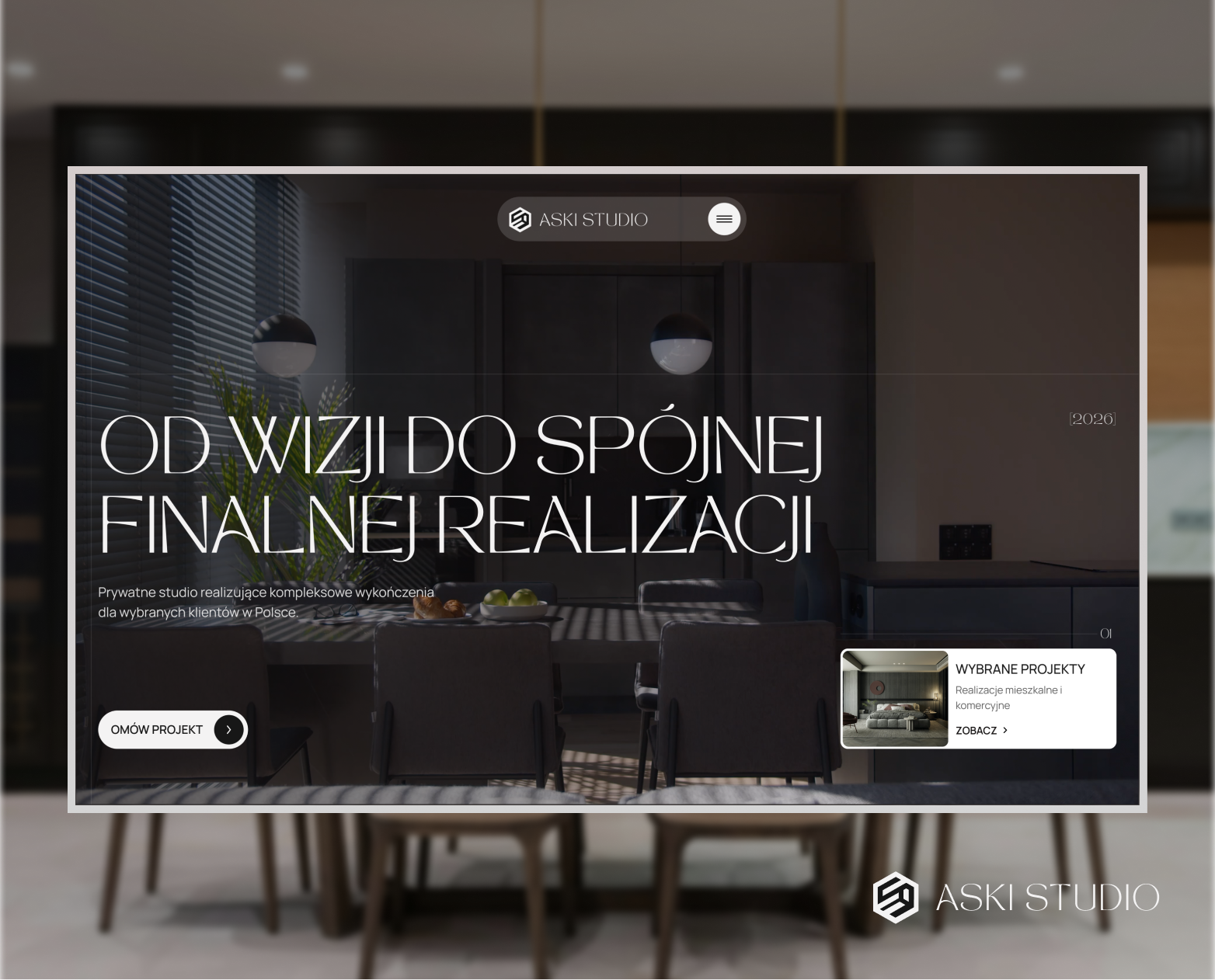
ASKI Studio is a Polish interior and fit-out studio. Its Webflow site uses a compact one-page structure with project imagery, information about the studio and a consultation request. The website gives a visual business room to show its work while keeping the route to contact close by.
Lokalizacja needs a different structure. Its property catalogue is connected to the agency's CRM, with filters and property-specific inquiries. The website presents an evolving set of offers, so the relationship between public pages and maintained business information is central to the project.
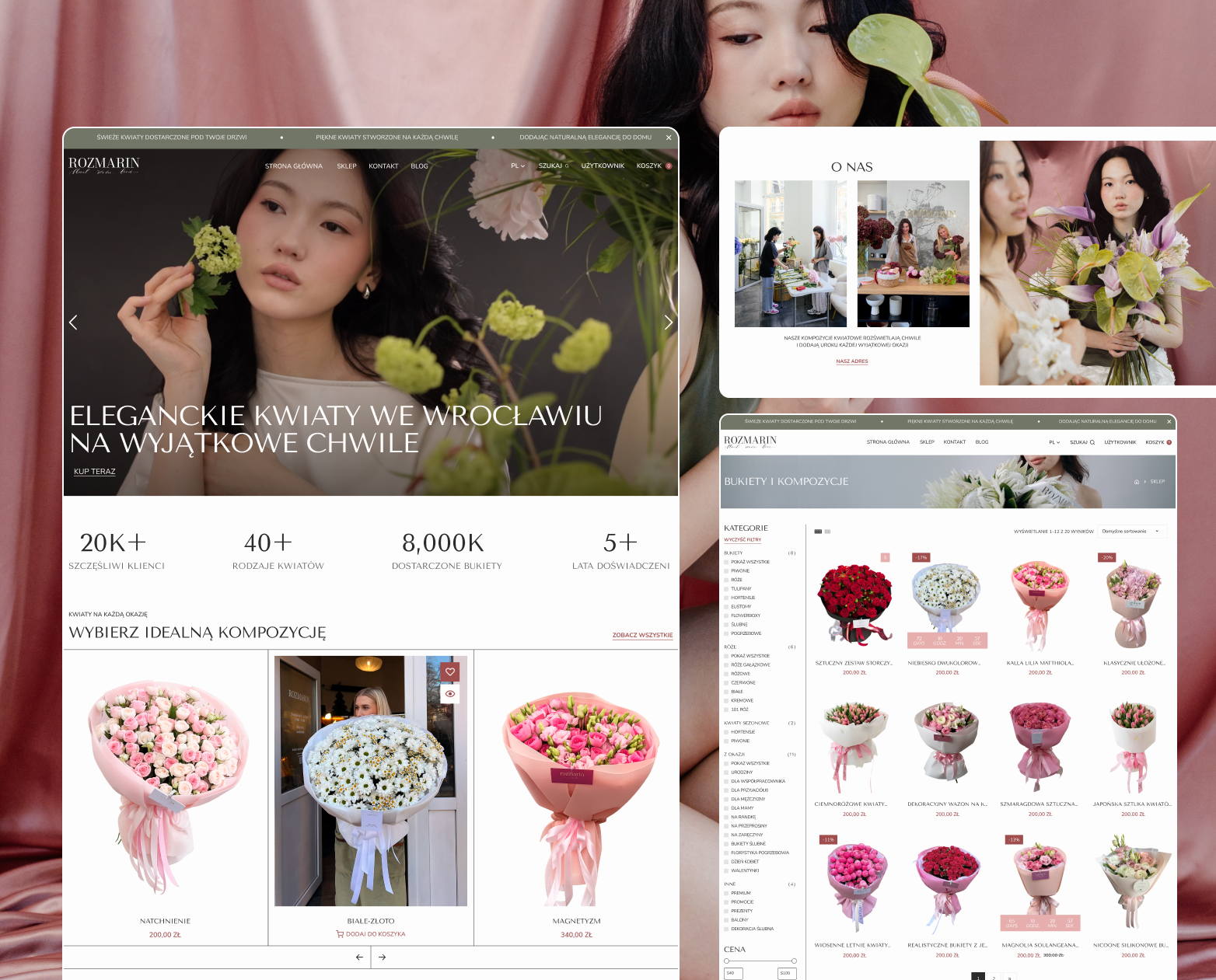
Rozmarin and Dallie Smokehouse show ecommerce from two perspectives. Rozmarin combines a multilingual flower catalogue with occasions and shopping functions. Dallie combines a food brand identity with a Shopify store and a separate wholesale inquiry route. These examples help us discuss fit, rather than assume that one website format suits every company.
Make remote collaboration explicit
An international project needs a shared understanding of the business, even when everyone works in different places. We can discuss projects in English, Polish, Ukrainian or Russian. The language of collaboration can differ from the languages your customers will use on the finished website.
A useful project agreement should identify who supplies facts, who reviews content and who can approve decisions. It should also set out how feedback is collected and which materials are required before a particular part of the work can move forward. These arrangements are worth discussing early.
For a US-facing project, we should establish the audience, terminology, commercial offer and practical details that belong on the site. Dallie is an example of our work for a US business. Your own project still needs its own market context, rather than assumptions based on the language alone.
Review work against a business question
Design feedback becomes easier when it refers to a task. Can a visitor understand the service? Can they distinguish the product options? Does the page provide enough context to request a consultation? Do the identity applications still look related when their proportions change?
These questions can sit alongside preferences about colour, photography or type. They give the discussion a shared purpose and help distinguish a necessary improvement from a personal alternative. A good reference also includes an explanation of what you like about it and why it matters.
For a future project, the review points should be agreed with its scope. They may involve page structure, content, visual direction, working pages or a connected business flow. What matters is that you can see what is being evaluated and which decision is needed before the next part proceeds.
Know what you are receiving
The delivery should make sense to the people who will use it. For a website, that includes the agreed pages, working customer actions and the content your team will maintain. For a store, it includes the agreed catalogue and order journey. For an identity, it includes usable files and the applications named in the scope.
Access and ongoing responsibilities deserve the same attention as visible design. Discuss the accounts involved, who owns them, who pays recurring services and what your team needs to know to make routine updates. If a connection relies on another provider, make that dependency visible.
The exact handover belongs in the project proposal. A downloadable logo, an editable brand system and a website running on a platform are different deliverables. Clear wording helps you compare options and understand what additional work may be needed later.
Keep improvement tied to real use
A launch gives the business something to use. The next decisions should reflect what happens when customers and staff use it: the questions people ask, the inquiries that arrive, the products they struggle to compare or the information the team still has to copy manually.
For a website, agree which customer actions are worth observing and how the business will judge the quality of an inquiry. For automation, identify the task, the person responsible and how they will notice exceptions. For identity work, collect the applications that expose missing rules or awkward details.
That approach creates a useful basis for further work. It allows a later phase to address a specific issue rather than automatically add pages, features or visual effects. The business can choose its next investment with a clearer view of the result it needs.
What to bring to a first discussion
Bring a short explanation of what your business sells, who it serves and what has changed. Share the current website or materials, even if they no longer represent the company well. They show what exists and which parts may still be useful.
Tell us which result matters most: a clearer offer, a usable online shop, a coherent identity or a better flow of information. Include a genuine deadline or budget boundary if one already exists. Neither needs to be invented simply to complete a brief.
You can also send a project from our portfolio and explain the connection you see. From there, we can discuss a suitable format, the information still needed and a scope that is concrete enough to estimate. The first useful step is understanding the business you want the work to support.