
A useful price begins with a useful scope
When you ask what a website, online store or brand identity costs, you need more than a number. You need to know what that number buys, which decisions it assumes and what your team will still need to provide. A small difference in the description can hide a substantial difference in the work.
We estimate projects around the agreed result. That might be a business website with several service pages, a store with a defined product range, a logo package or a connection between an existing website and CRM. The aim is to make the scope understandable before you commit to it.
You can begin the discussion without a complete specification. Share the current situation, the result you want and any real budget limit. We can identify the choices that matter to the estimate and distinguish necessary launch work from possible later additions.
What changes the cost of a business website
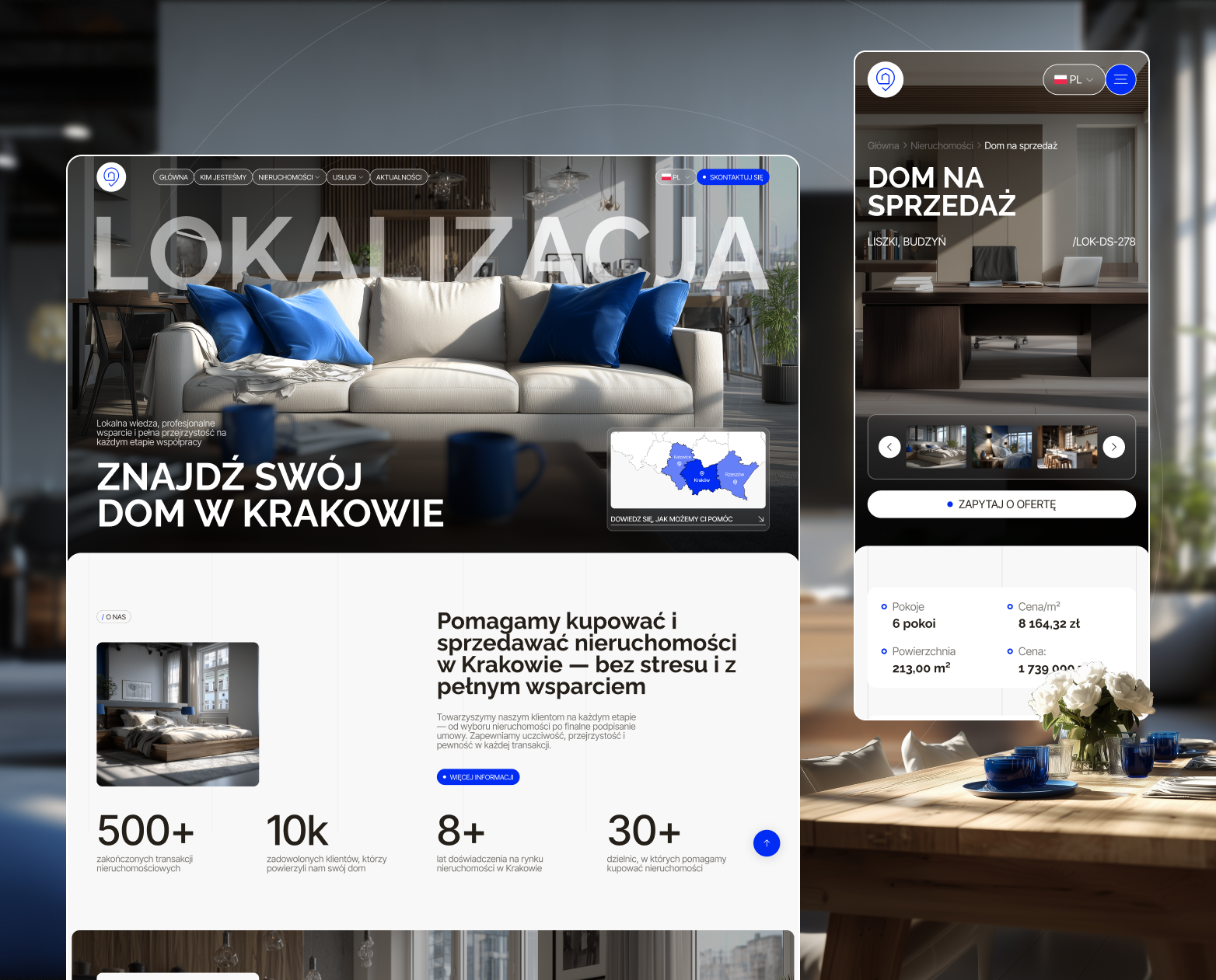
The number of distinct page types is often more informative than the raw page count. Several service pages may share a structure. A property catalogue, detailed listing page and multilingual contact flow each introduce different requirements. The estimate needs to reflect what is actually being designed and built.
Content is another substantial variable. Existing text may be ready to use, need editing or require a new structure. Photographs may be available, incomplete or unsuitable for the intended layout. Knowing that early prevents a design estimate from quietly becoming a content production project.
Other decisions include language versions, editable sections, forms, migration from the old site and connections with other tools. Explain which are essential and which are optional. A focused scope can still be visually distinctive when its priorities are clear.
Why store estimates need operational detail
An ecommerce estimate depends on how products are organised and sold. A compact range with simple options differs from a large catalogue with variants, multiple languages or different customer groups. Existing product data can also vary from a clean export to information scattered across documents.
The purchasing journey needs to reflect the business's own rules. Delivery information, payment choices, returns content and order handling all require decisions and input. The proposal should specify the configuration or connection work included, while identifying accounts and services the business needs to arrange.
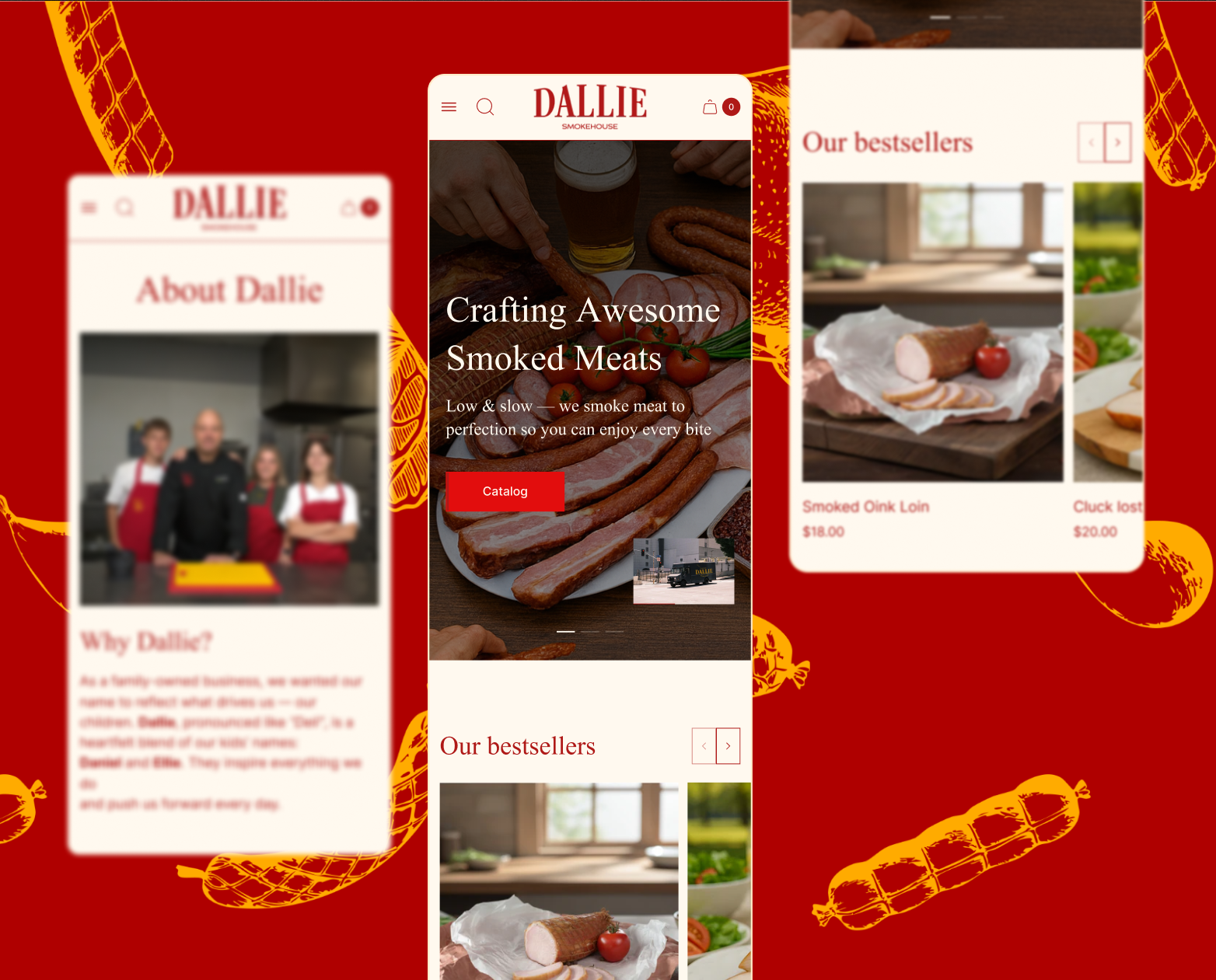
Dallie Smokehouse and Rozmarin illustrate different scopes. Dallie combines Shopify with identity work and a wholesale inquiry route. Rozmarin includes a multilingual WordPress catalogue and shopping functions. Their shared category, “online store,” does not make their project requirements identical.
Branding prices follow the depth of the system
A logo package focuses on the mark and its agreed versions. Our visual identity package includes a logo, colour and type choices, graphic direction and selected applications. Our full brandbook package includes the creation of that identity alongside rules and examples for using it.
The applications need to be named. A business card, product label, presentation and social post template involve different formats and decisions. “Branding included” is too broad to tell you whether those materials are part of a quote. The scope should explain which assets will be designed and delivered.
If your existing brand is effective, documenting it may be a separate task. If key parts are missing or inconsistent, creating the underlying system will require additional work. Reviewing the current files and intended uses is therefore a sensible starting point for an estimate.
Integration scope includes the awkward cases
A simple description such as “connect the website to our CRM” leaves several questions open. Which information should move? In which direction? What creates or updates a record? How should duplicate requests, missing fields or unavailable services be handled?
The number of systems matters, but so do access, data quality and business rules. An available connection may cover the normal case while leaving important exceptions unresolved. The estimate needs enough detail to identify what can use existing capabilities and what requires separate work.
For an initial automation project, a narrow task can make the cost easier to understand. Define one recurring handoff, its owner and the expected result. Additional steps can be considered once their purpose is clear. This also makes the eventual acceptance discussion more concrete.
Separate project work from ongoing expenses
A design and development fee is one part of the ownership cost. Depending on the solution, there may be domain, hosting, platform, application, font or other service charges. Content updates and continued support may also be separate from the initial delivery.
Ask which expenses recur, who pays them and which accounts must remain active. For an online store, understand the commercial services involved in accepting and processing orders. For integrations, understand whether usage, system changes or provider limits can affect ongoing work.
The proposal should distinguish our work from third-party services and state any assumptions used in the estimate. That gives you a clearer comparison between options. A lower build price may still leave more work for your team, while a broader quote may include materials another proposal treats separately.
How to compare proposals fairly
Compare the same result across each proposal. Check the pages or applications, content responsibilities, language versions, editable areas and customer actions. Then look at review arrangements, handover and any support that is explicitly included.
For website proposals, ask whether migration and existing URLs are considered. For store proposals, ask who prepares product data and checks operating rules. For branding, ask which files and practical applications are delivered. For automation, ask how the intended flow and its exceptions will be demonstrated.
A proposal does not need to anticipate every future change. It does need to make the current boundary clear. When new requirements appear, they should be discussed as a scope decision, with their effect understood, rather than absorbed into vague promises about an all-inclusive service.
Prepare an estimate request without writing a specification
A useful request can be short. Describe what the business does, who the project is for and what the finished result must enable. Add the current website or brand materials and identify what is already available: text, product data, photography or system access.
List a few essential requirements in everyday language. For example, customers should be able to compare available properties, request a wholesale conversation or buy a gift from a defined product range. Explain any date tied to a real event and any budget range you need the work to fit.
Send that information through the contact page. We can discuss the missing decisions, the appropriate service and the scope worth pricing. The result should be an estimate you can evaluate against your business needs, with a clear view of what comes next and what remains outside the initial project.