Websites for your business
Make your offer clear. Show the work that matters. Give the right customer a clear reason to get in touch.
Start with the customer or team task. Find the service that can support it.
Discuss your project
Make your offer clear. Show the work that matters. Give the right customer a clear reason to get in touch.
Start with one recurring handoff and a result your team can see and use.

Choose a logo, a coordinated identity or a complete system with rules for using it.
Choosing an agency service is easier when you begin with a business problem. Customers may not understand your offer. They may like the products but struggle to buy them. Your visual materials may feel disconnected, or your team may spend too much time moving information between tools.
Pills works across websites, ecommerce, branding and business automation. These services can support one another, but they do not have to become one large project. The first decision is which obstacle matters most and what a useful result would look like for the people using it.
This page helps you compare the options. Each service has its own detailed page with scope considerations, examples and questions to bring to a project discussion. If you are unsure where your task belongs, describe the situation in everyday language. The category can follow the problem.
A business website should help a prospective customer understand what you do and why it fits their situation. That usually means a clear offer, relevant evidence, answers to practical questions and a visible way to start a conversation.
The scope depends on the variety of decisions your customers make. One focused service may suit a compact site. Distinct audiences, locations, services or languages may need separate pages. A changing catalogue brings different requirements from a stable introduction to the company.
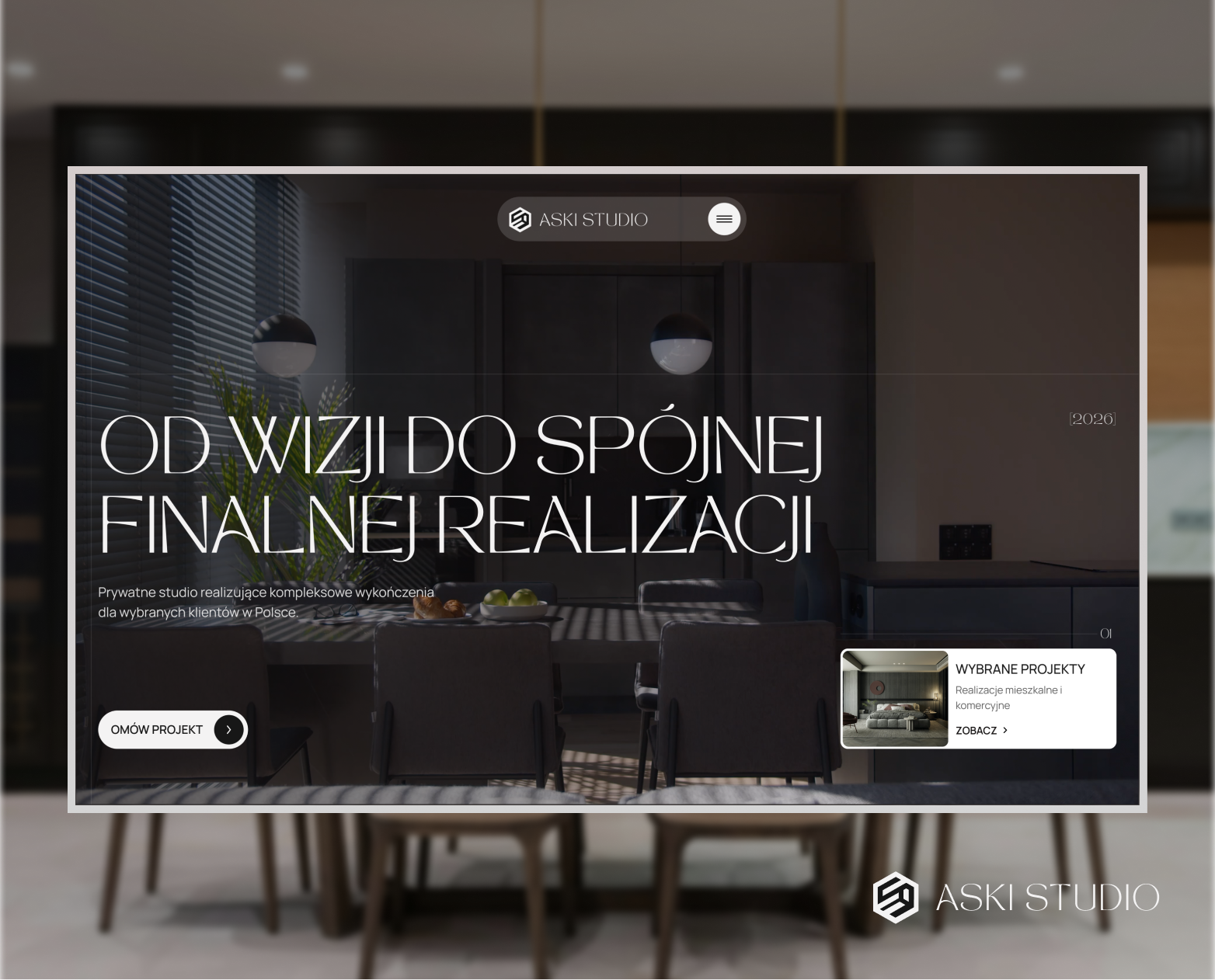
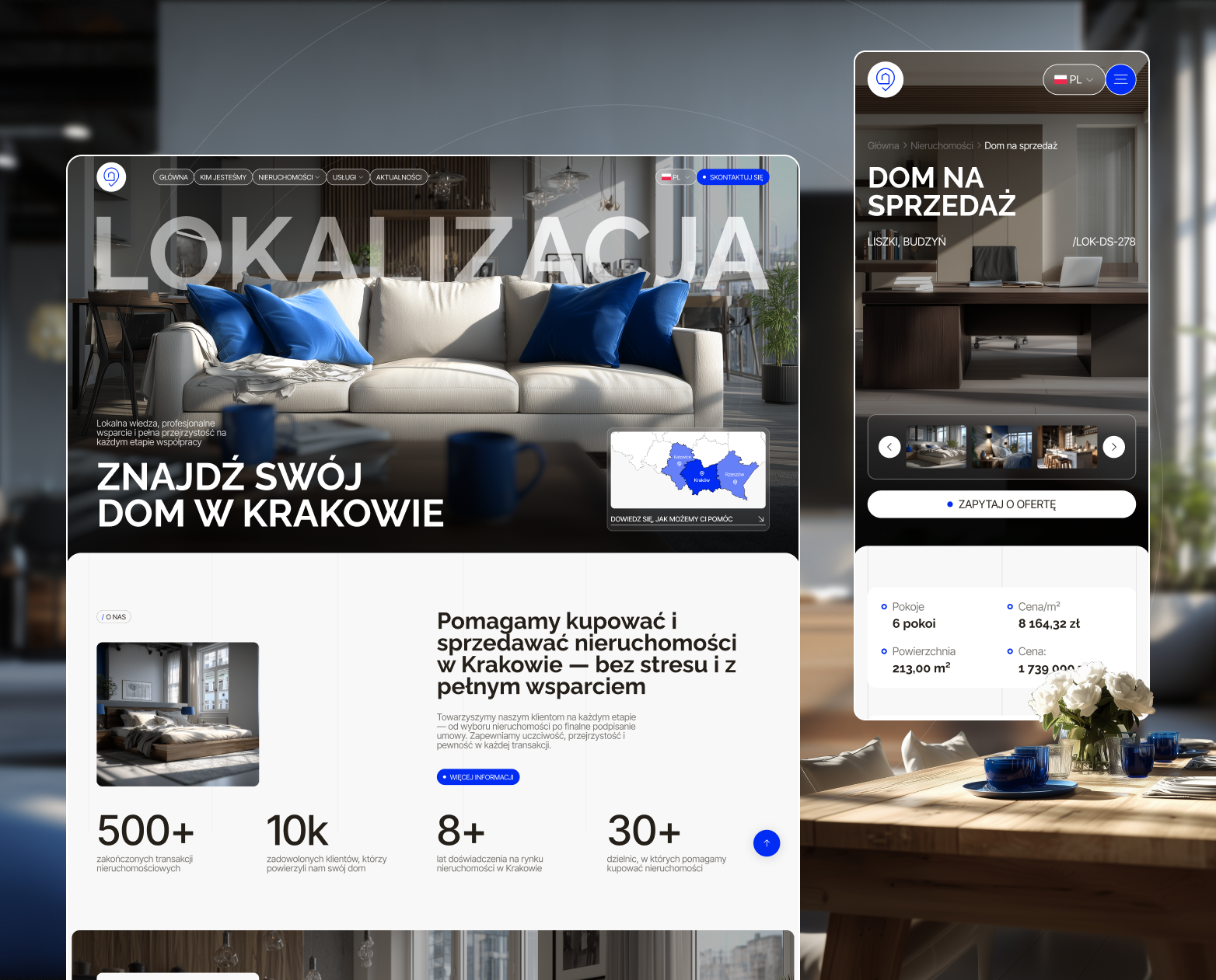
Website work can include structure, content, design, development, language versions, editable sections and inquiry forms. These elements need to be considered together. ASKI Studio and Lokalizacja offer two useful references: a visual one-page introduction and a property website with a searchable catalogue and CRM connection.
Ecommerce projects begin with products and the way people choose them. A shopper may browse by category, occasion, size, use or recipient. Those choices shape the catalogue, product pages and the information that needs to appear before purchase.
Your operating model matters too. Who maintains prices? Which products have options? What happens after an order arrives? Are wholesale prospects buying directly or asking for terms? These decisions help define the store before the visual design is finalised.
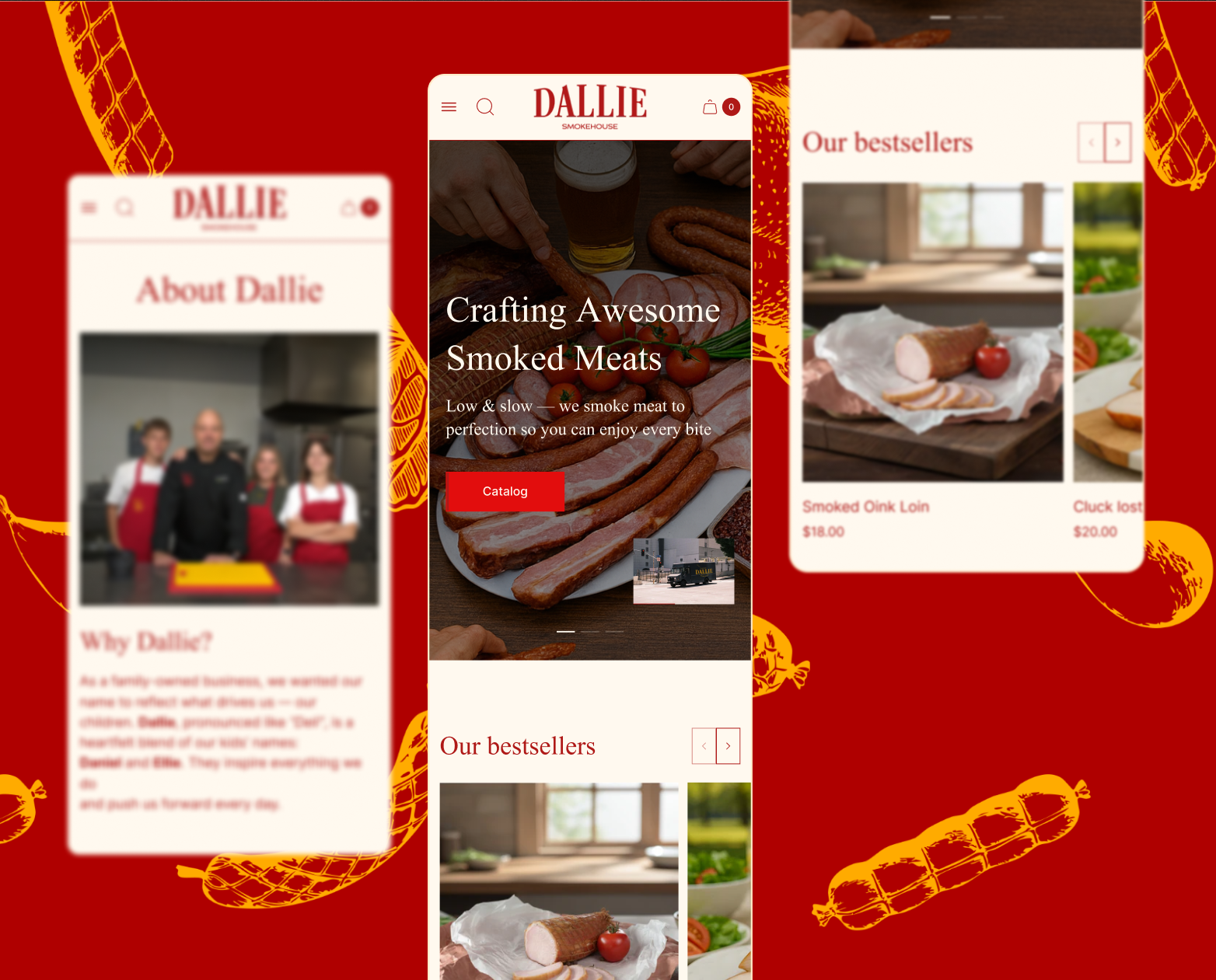
We can discuss a new store or the redesign of an existing one, including product structure, content, storefront design and the agreed ordering path. Dallie Smokehouse shows Shopify combined with branding and a separate wholesale inquiry route. Rozmarin shows a multilingual WordPress store organised partly around the occasions people buy flowers for.
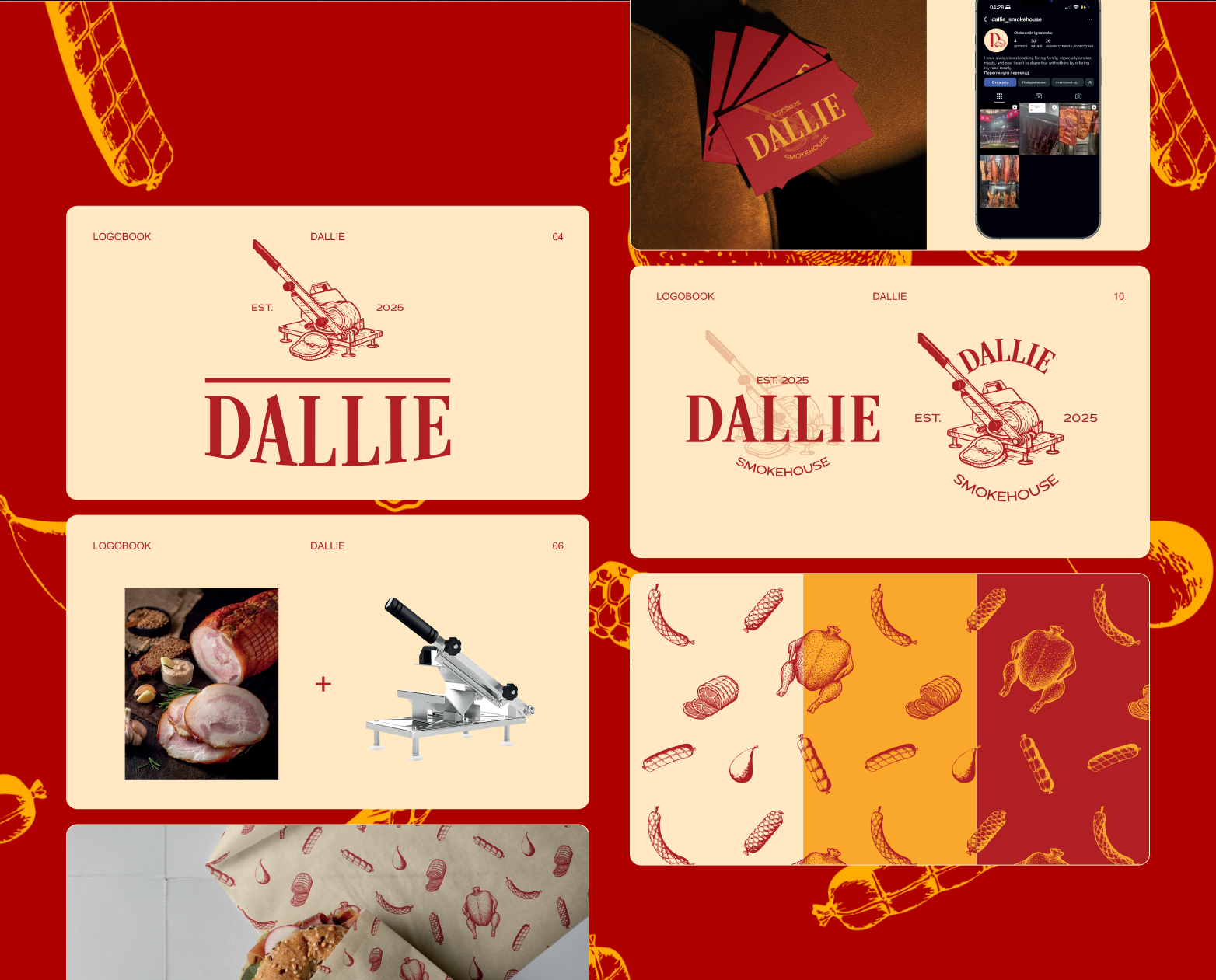
Our branding range begins with a logo and extends to a complete visual system with rules for its use. The choice should reflect the materials you need, the people producing them and how consistently the brand needs to appear.
The logo package focuses on the mark and its agreed versions. Visual identity includes the logo plus colour, typography, graphic direction and selected applications. Our full brandbook package includes logo, identity, rules and examples, bringing the creation and documentation of the system into one scope.
If you already have an effective identity, a separate documentation project may be appropriate. If you are launching packaging, a website and sales material together, a wider identity scope may make more sense. The branding overview compares these situations so you can avoid buying either too little or more than the business needs.
Automation is useful when a repeatable task has a clear input, rule and owner. A website inquiry may need to reach a particular person. Approved information in one system may need to appear in another. A team may need a reliable notification when a status changes.
Start by describing the task as it works today, including the exceptions. A process that is unclear to the team will remain unclear when software performs part of it. The first useful scope may therefore be one narrow connection with a visible result and a way to handle failures.
We discuss automation around the business process and the systems already in use. Where AI is relevant, its role and the points requiring human review need to be explicit. Conventional routing and data connections can often address the task without adding a more complex decision layer.
A CRM connection, a custom internal tool and a customer portal solve different problems. A connection moves agreed information between existing tools. A custom system supports a workflow that needs its own interface. A customer area gives external users access to selected information or actions.
Those distinctions affect scope, responsibility and ongoing maintenance. Before choosing a format, identify who will use it, what they need to see and what they should be allowed to change. Describe the current tools and the information that needs to move between them.
Lokalizacja is a concrete reference for website integration with an existing CRM: property information supplies the catalogue, and property inquiries reach the responsible agent. Its relevance is the connected business flow. A proposal for your CRM or portal should be based on your own records, roles and required actions.
Some projects naturally need more than one discipline. A new product business may need an identity and a store. A service company may need a website plus inquiry routing. A business entering another market may need new language content and changes to how it explains the offer.
The useful question is which decisions depend on each other. A store's product photography and identity influence its visual direction. A contact form depends on the information the receiving team needs. A page structure depends on what the business can actually offer in that market.
We can separate essential launch work from later improvements. That requires a clear description of the initial audience, content and customer action. It also requires knowing what is already usable, so existing assets and systems can be considered before replacements are proposed.
Page count is only one part of website scope. Content readiness, distinct page types, languages, catalogue size, integrations and the level of custom visual work all influence what needs to be done. Two sites with the same number of pages can involve very different decisions and effort.
For branding, the number and variety of applications matter. For automation, the number of systems and the handling of exceptions matter. For ecommerce, product information and operating rules matter. These are the details that make an estimate useful to compare.
Our pricing guide explains those drivers without turning every business into a fixed package. To begin, send your current site, a description of the customer you serve and the change you want to make. Add any deadline or budget range that is already a real constraint. We can then discuss the right service, a sensible starting scope and the material needed to estimate it.